NAD vs. NMN: A Simple Guide to Boosting Energy and Supporting Longevity
In recent years, NAD and NMN have become two of the most talked-about compounds in the wellness and longevity space. Both are closely tied to cellular energy production, metabolism, and healthy aging, which is why they’re gaining attention in medical wellness treatments and anti-aging research.
But many people wonder: What’s the difference between NAD and NMN? And which one is better for supporting energy and long-term health?
Understanding how these molecules work inside the body can help explain why therapies designed to support NAD levels are becoming increasingly popular.
What Is NAD?
NAD (nicotinamide adenine dinucleotide) is a coenzyme found in every cell of the body. It plays a vital role in converting nutrients into energy and supporting critical cellular functions.
Some of NAD’s key functions include:
- Helping cells produce energy in the mitochondria
- Supporting DNA repair and cellular maintenance
- Regulating metabolism and cellular signaling
- Supporting healthy aging processes
Without adequate NAD levels, cells cannot efficiently convert food into usable energy. As a result, NAD is essential for maintaining overall health and vitality.

Why NAD Levels Decline with Age
One reason NAD has become a focus in longevity research is that levels naturally decline as we age.
Studies suggest NAD levels can decrease significantly over time due to factors such as:
Aging
Chronic stress
Poor sleep
Inflammation
Environmental toxins
Metabolic stress
Reduced cellular energy
Slower metabolic function
Increased oxidative stress
Declining cellular repair processes
What Is NMN?
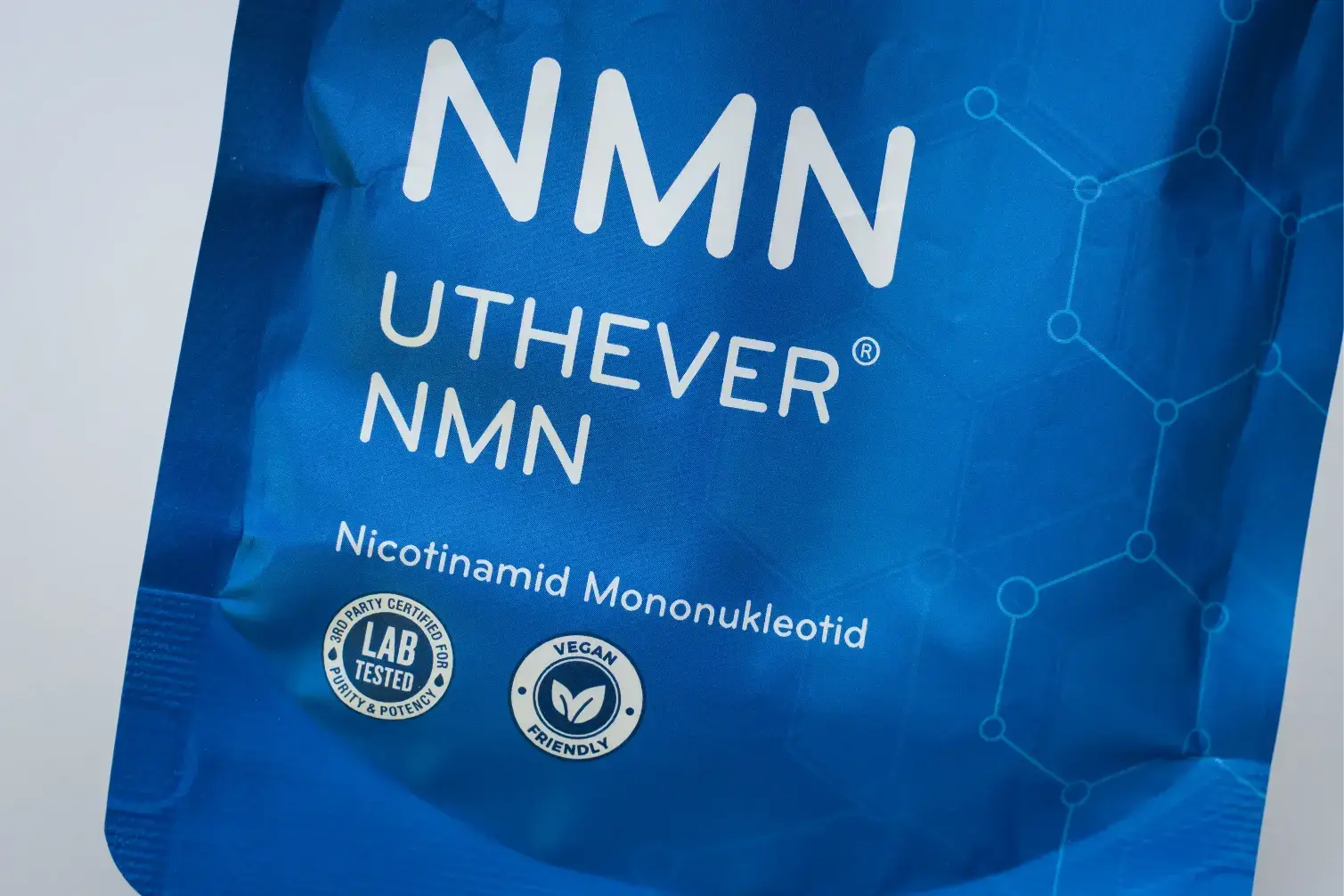
NMN (nicotinamide mononucleotide) is a molecule that acts as a precursor to NAD, meaning the body converts NMN into NAD inside cells.
Think of NMN as one of the building blocks your body uses to produce NAD.
Once NMN enters the body, it can be transported into cells and converted into NAD through natural metabolic pathways.
Because of this direct relationship, NMN has gained attention as a potential way to increase NAD levels and support cellular health.
How NAD and NMN Work Together
Although NAD and NMN are often compared, they are actually part of the same biological pathway.
The relationship works like this:
- NMN enters the body through supplements or natural metabolic processes
- Cells convert NMN into NAD
- NAD supports energy production and cellular repair
In simple terms:
NMN helps create NAD, and NAD helps your cells function properly.
This connection is why both molecules are frequently discussed together in longevity and metabolic health research.
Potential Benefits of Supporting NAD Levels
Improved Cellular Energy
Support for Healthy Aging
Metabolic Health
Cellular Repair and DNA Maintenance
NAD Therapy vs NMN Supplements

NAD Therapy
NAD therapy typically involves intravenous (IV) infusions that deliver NAD directly into the bloodstream.
Potential advantages include:
- Faster delivery into circulation
- Immediate availability in the body
- Physician-guided treatment plans
However, NAD itself may not easily enter cells, which is why some approaches focus on boosting NAD through precursors instead.
NMN Supplements
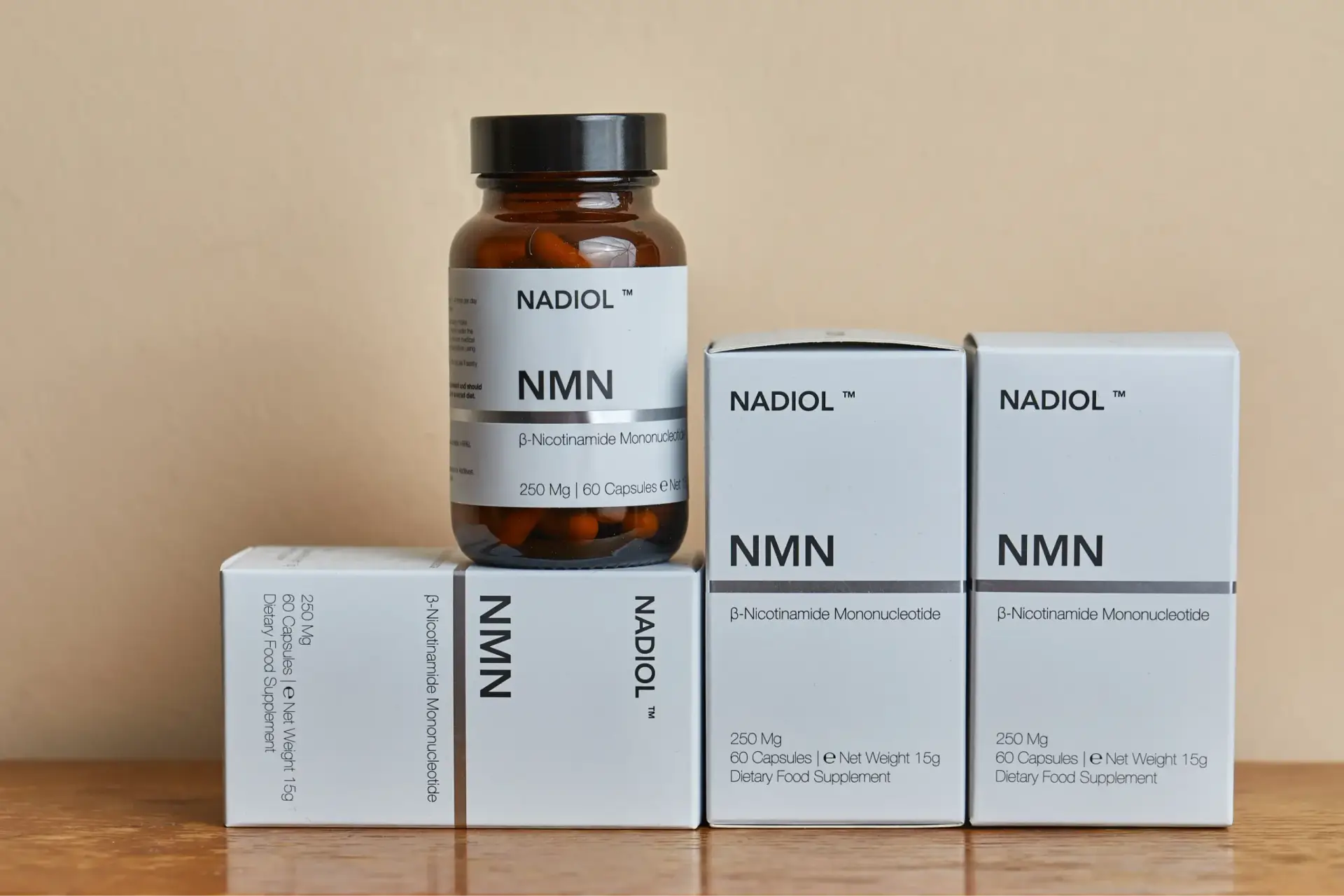
NMN supplements are taken orally and then converted into NAD once inside the body.
Potential advantages include:
- Convenient daily use
- Ability to raise NAD levels through natural metabolic pathways
- Gradual support for cellular energy
Because NMN is a precursor, it may be more easily transported into cells before converting to NAD.
Which Option Is Right for You?
Both NAD therapy and NMN supplementation aim to support the same goal: maintaining healthy NAD levels.
The best approach depends on several factors, including:
- Individual health goals
- Lifestyle factors
- Existing energy levels
- Medical guidance from a healthcare provider
Some people choose NAD therapy for targeted wellness support, while others incorporate NAD-supporting nutrients or supplements into their long-term health routines.