
Best Foods for Your Complexion: Nourish Your Skin from the Inside Out
When it comes to achieving healthy, glowing skin, skincare products are only part of the equation. What you eat plays a major role in the health and appearance of your skin. A balanced diet rich in vitamins, antioxidants, and healthy fats can help support skin hydration, improve elasticity, and protect against environmental damage.
Your skin is the largest organ in your body, and like every other organ, it depends on proper nutrition to function and repair itself. By incorporating nutrient-rich foods into your diet, you can support clearer, brighter, and more resilient skin.
Below are some of the best foods that can help promote a healthy complexion.
Fatty Fish for Healthy Skin
Fatty fish such as salmon, mackerel, and sardines are excellent sources of omega-3 fatty acids. These healthy fats help maintain skin hydration and may reduce inflammation that can contribute to redness and irritation.
Omega-3 fatty acids also support the skin’s protective barrier, helping it retain moisture and defend against environmental stressors. In addition to omega-3s, fatty fish contain:
- Vitamin E, which protects skin cells from damage
- Protein that supports collagen structure
- Zinc, which supports skin healing and inflammation control
Regularly including fish in your diet can help promote smoother, healthier-looking skin.

Avocados for Hydrated, Radiant Skin
Vitamin E, which helps protect against oxidative damage
Vitamin C, which supports collagen production
Antioxidants that help reduce inflammation
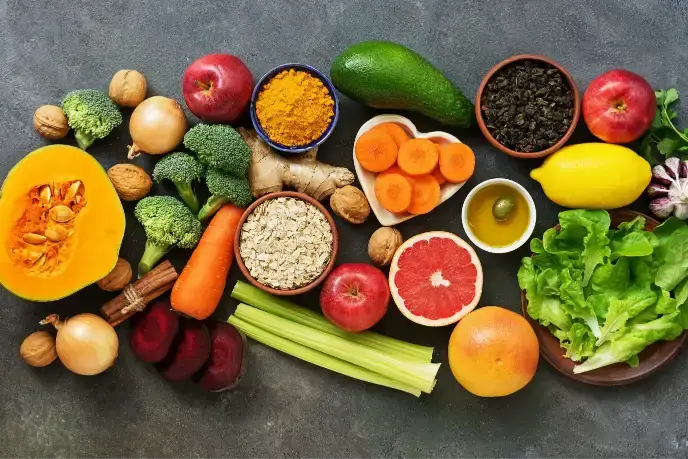
Colorful Fruits and Vegetables for Skin Protection
Brightly colored fruits and vegetables contain powerful antioxidants that help protect skin cells from damage caused by free radicals and environmental stress.
Foods rich in beta-carotene, such as carrots and sweet potatoes, can help support healthy skin by protecting against sun damage and promoting cell renewal. Other beneficial produce includes:
- Red and yellow bell peppers
- Tomatoes
- Spinach and leafy greens
- Mango and papaya
These foods provide vitamins and carotenoids that help support skin repair and maintain a vibrant complexion.
Berries for Antioxidant Support
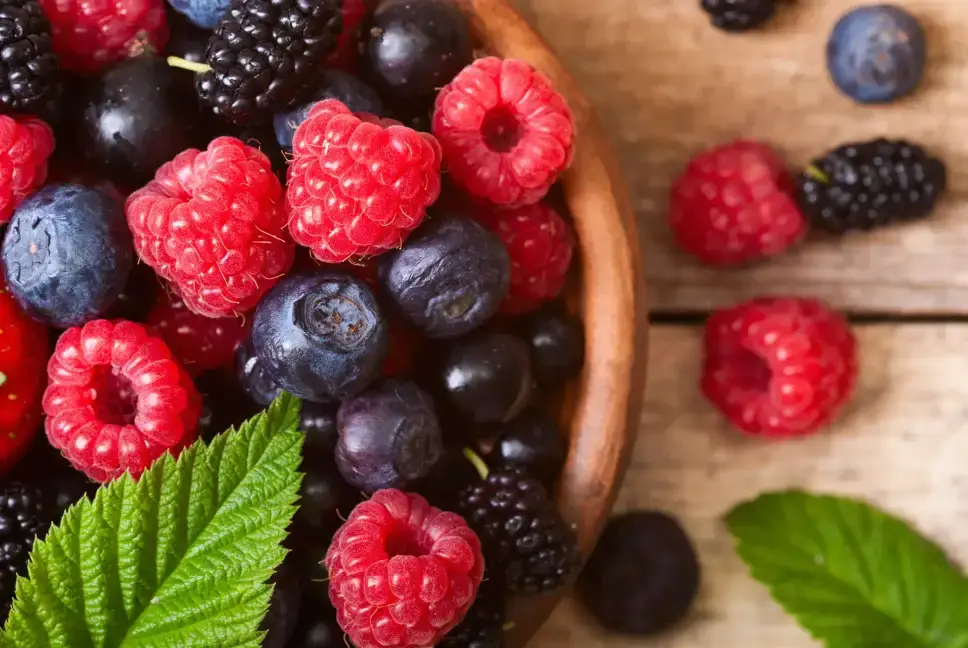
Berries such as blueberries, strawberries, and blackberries are packed with antioxidants that help combat oxidative stress.
Antioxidants play a key role in protecting the skin from environmental damage and supporting healthy aging.
Berries are also rich in vitamin C, which helps stimulate collagen production. Collagen is essential for maintaining the skin’s structure, firmness, and elasticity.
Adding berries to smoothies, yogurt, or oatmeal is an easy way to incorporate these nutrients into your daily routine.
Nuts and Seeds for Skin Repair
- Almonds
- Walnuts
- Sunflower seeds
- Chia seeds
- Flaxseeds

Green Tea for Skin Protection
Green tea is rich in compounds called polyphenols, which have anti-inflammatory and antioxidant properties. These compounds may help:
- Protect skin from UV damage
- Improve hydration and elasticity
- Reduce redness and irritation
Incorporating green tea into your daily routine can support both skin health and overall wellness.
Hydration Matters for Skin Health
While nutrient-rich foods are important, hydration also plays a key role in maintaining healthy skin.
Drinking enough water helps maintain skin elasticity and supports the body’s ability to remove toxins. Proper hydration can also help reduce the appearance of dryness and dullness.
Foods with high water content, such as cucumbers, watermelon, and oranges, can also contribute to overall hydration.