At What Age Should You Start Botox or Dysport?
Botox and Dysport are among the most popular cosmetic treatments used to reduce the appearance of wrinkles and maintain youthful-looking skin. These injectable treatments work by relaxing specific facial muscles that cause dynamic wrinkles, lines that form from repeated facial expressions.
As the popularity of these treatments continues to grow, many people ask an important question:
At what age should you start Botox or Dysport injections?
The answer varies from person to person. Rather than focusing on a specific age, most providers recommend considering treatment based on individual skin concerns, facial movement patterns, and long-term aesthetic goals.
Understanding how these treatments work can help you decide when they might be appropriate.
What Is Sculptra?
Botox and Dysport are injectable treatments that contain botulinum toxin type A, a purified protein that temporarily relaxes targeted facial muscles.
By limiting muscle movement in specific areas, these treatments help soften existing lines and prevent deeper wrinkles from forming over time.
Common treatment areas include:
- Forehead lines
- Frown lines between the eyebrows (glabellar lines)
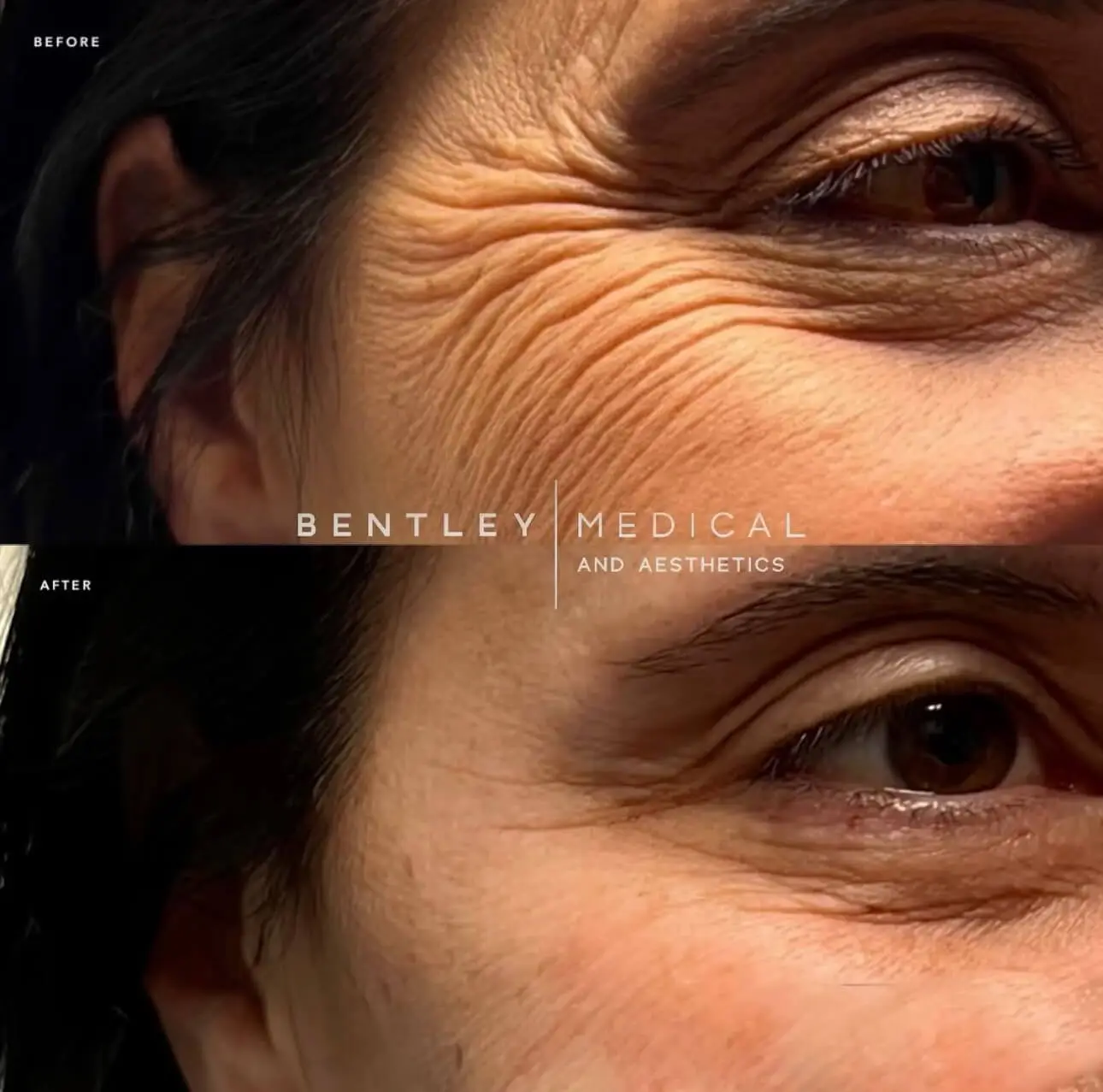
- Crow’s feet around the eyes
- Bunny lines on the nose
- Lip lines and chin dimpling
Results typically appear within several days and can last three to four months, depending on the individual and the treatment area.

The Difference Between Preventative and Corrective Botox
Preventative Botox
Preventative Botox is used to reduce repetitive muscle movement before deeper wrinkles become permanently etched into the skin. Many patients begin preventative treatments in their mid-20s to early 30s, when early expression lines may begin to appear during facial movement but have not yet become permanent. By relaxing these muscles early, some providers believe preventative treatments may help slow the formation of deeper wrinkles over time.
Corrective Botox
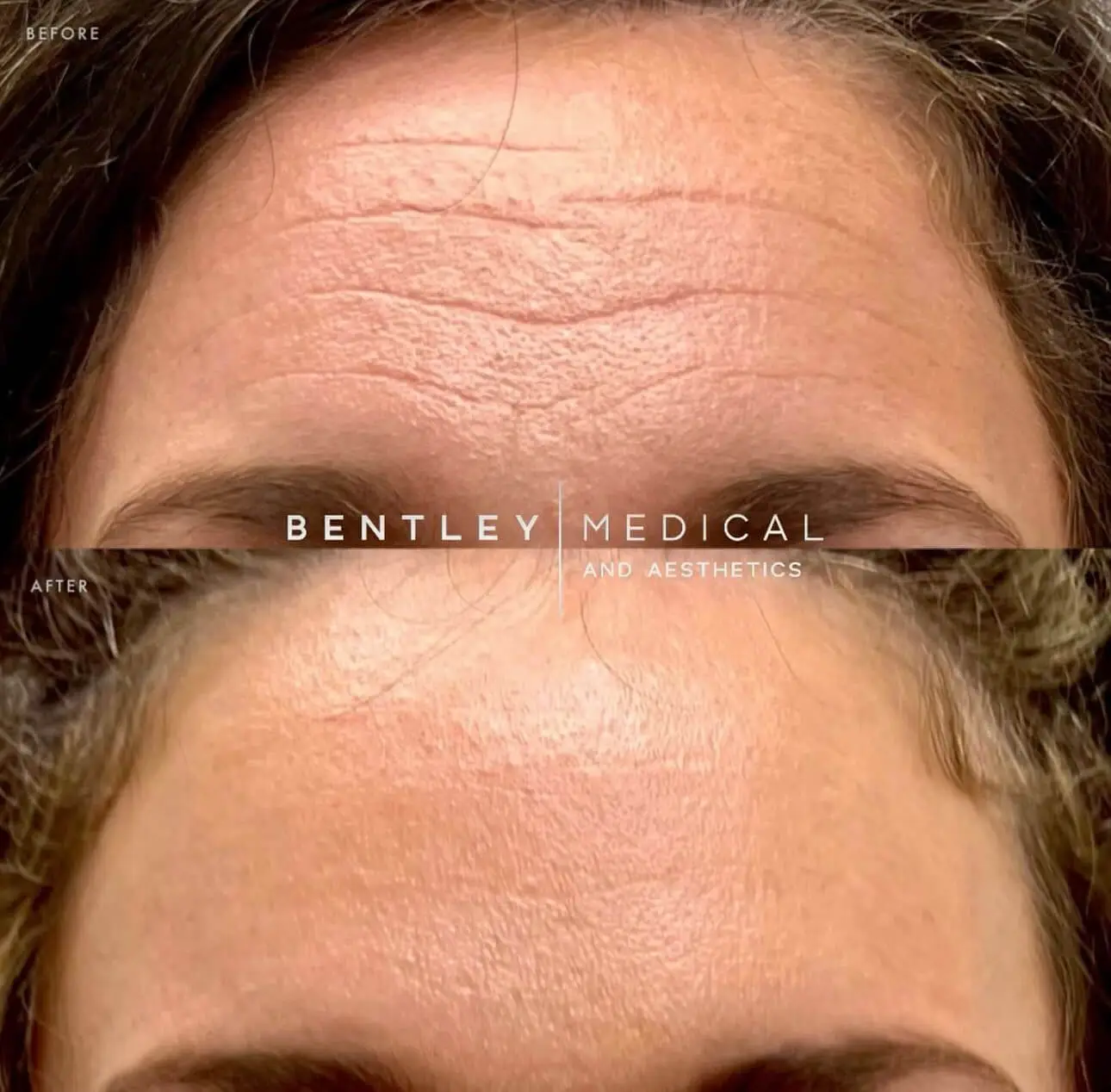
Corrective Botox focuses on reducing wrinkles that are already visible at rest. Many people seek corrective treatments in their 30s, 40s, or later, when dynamic expression lines have become more noticeable or persistent. These treatments can help soften the appearance of wrinkles and create a smoother, more refreshed look.
Why Wrinkles Develop Over Time
Wrinkles develop due to several natural processes that occur as the skin ages.
Over time, the skin gradually loses important structural proteins such as collagen and elastin, which help keep skin firm and smooth. As these proteins decline, the skin becomes thinner and less resilient.
At the same time, repeated facial expressions, such as smiling, frowning, or squinting, cause certain muscles to contract repeatedly. Over time, these movements can lead to visible lines and creases.
Other factors that influence wrinkle development include:
- Sun exposure
- Genetics
- Lifestyle habits
- Smoking
- Stress
- Skin care routines
Because each person’s skin ages differently, the right time to start injectable treatments varies.
Signs You May Be Ready for Botox or Dysport
Rather than focusing on age alone, many providers look for specific signs that Botox or Dysport may be beneficial.
These signs may include:
- Expression lines that remain visible after the face relaxes
- Deepening frown lines between the eyebrows
- Noticeable crow’s feet around the eyes
- Forehead lines that become more prominent over time
Some patients also choose treatment earlier if they want to maintain smoother skin and slow wrinkle formation.
A consultation with a qualified provider can help determine whether treatment is appropriate for your skin goals.
Is There a “Right” Age to Start?
- Skin condition and elasticity
- Facial muscle activity
- Personal aesthetic goals
- Lifestyle and sun exposure history
What to Expect from Treatment
Botox and Dysport treatments are typically quick and minimally invasive.
A typical appointment usually takes 10 to 20 minutes, and many patients return to their normal activities shortly afterward.
During treatment:
- Small amounts of product are injected into targeted facial muscles
- Most patients experience minimal discomfort
- Results gradually appear within a few days
The effects usually last three to four months, after which the muscles regain normal movement and follow-up treatments may be scheduled.
Botox and Dysport Treatments at Bentley Medical & Aesthetics
At Bentley Medical & Aesthetics, injectable treatments are tailored to each patient’s unique facial anatomy and aesthetic goals.
The focus is on achieving balanced, natural-looking results that enhance a patient’s features while maintaining facial harmony.
Whether you are exploring preventative treatments or addressing existing wrinkles, a personalized consultation can help determine the best approach for your skin and goals.